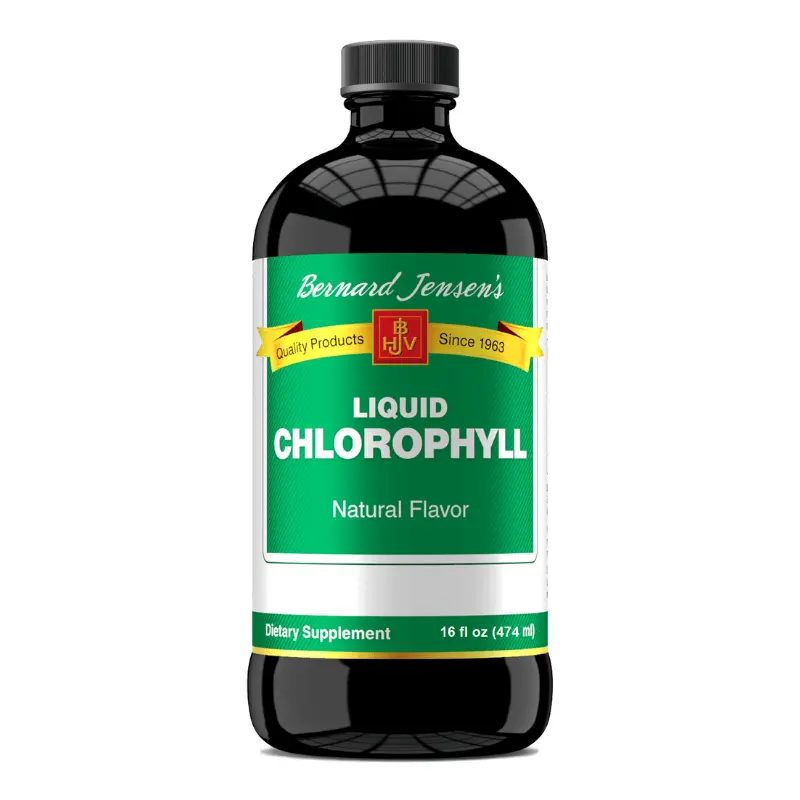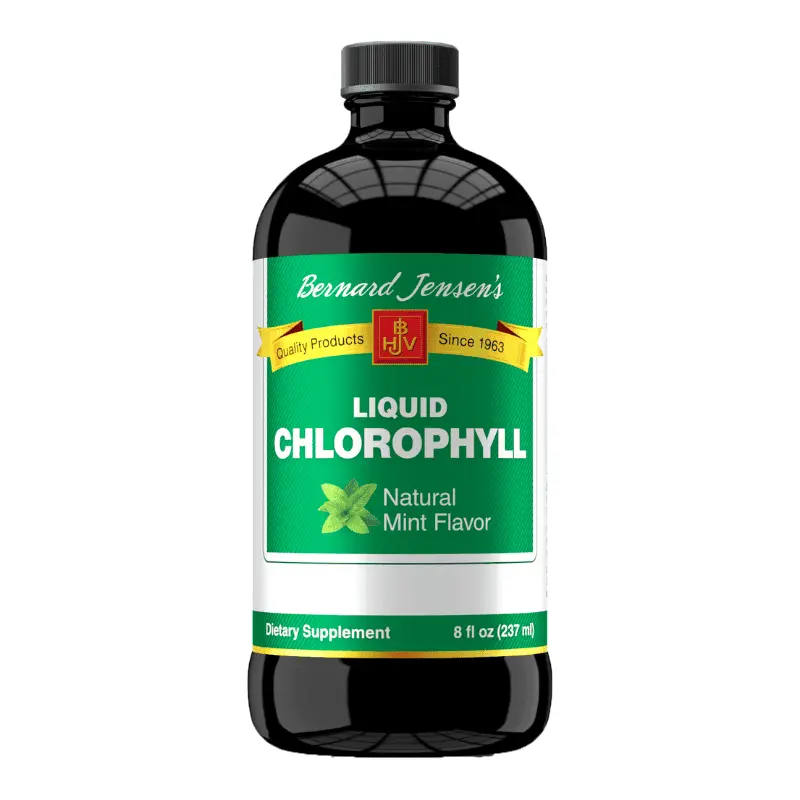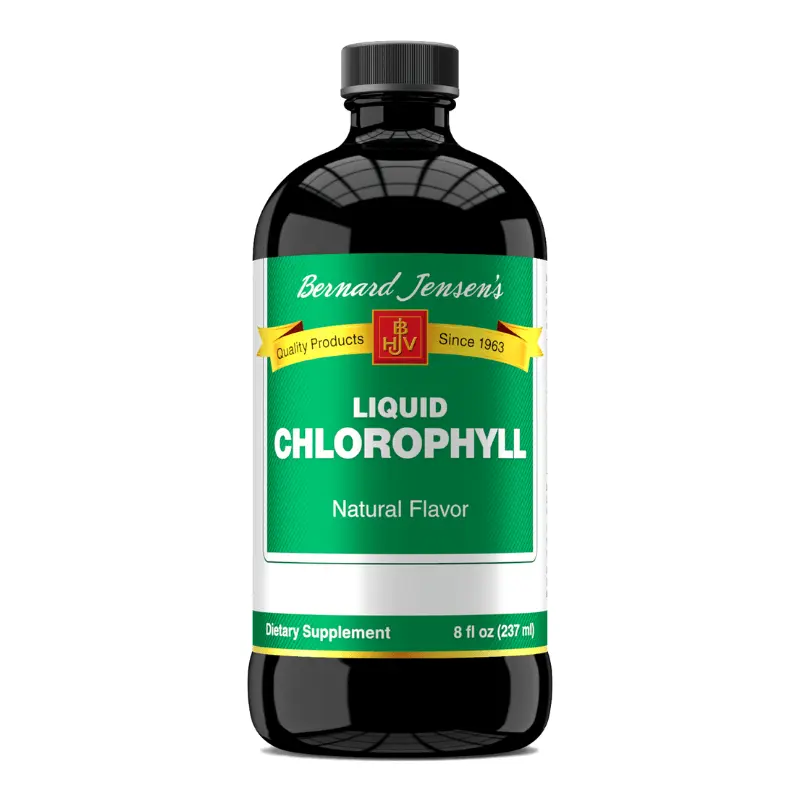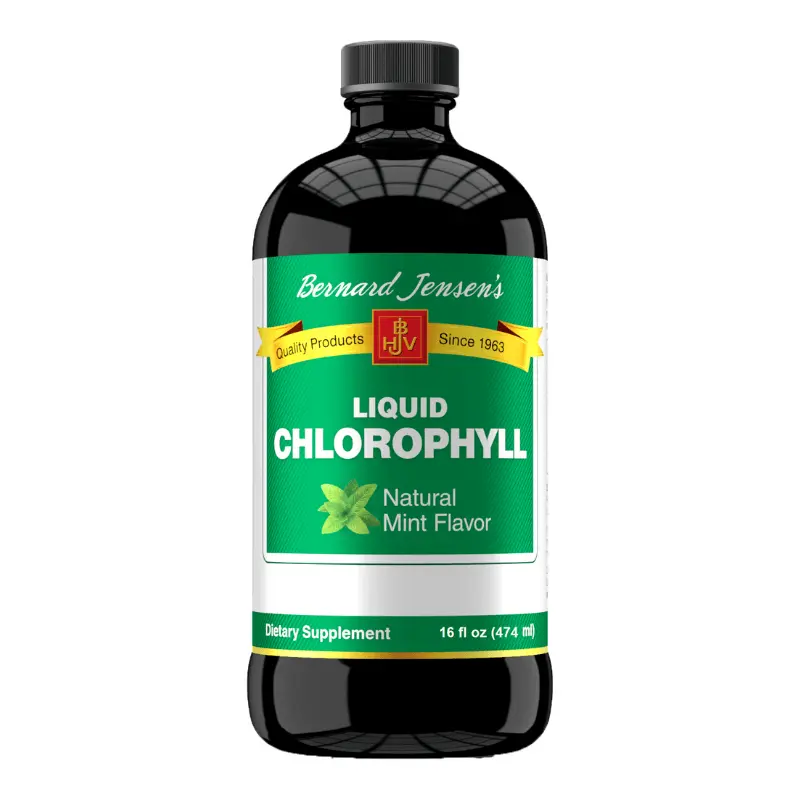
Liquid Chlorophyll, Mint Flavor, 16 fl oz
Discover the Benefits of Liquid Chlorophyll
- Derived from alfalfa leaves
- Promotes alkaline pH*
- Manufactured by Bernard Jensen Products
Made from the finest alfalfa leaves available, liquid chlorophyll allows humans to take advantage of the same green pigment found in plants. Chlorophyll helps to cleanse the blood and changes blood pH to a more alkaline state. Chlorophyll also helps to neutralize body odors.*
Mint flavored chlorophyll is a treat for the whole body. You can even use it as a refreshing mouthwash.
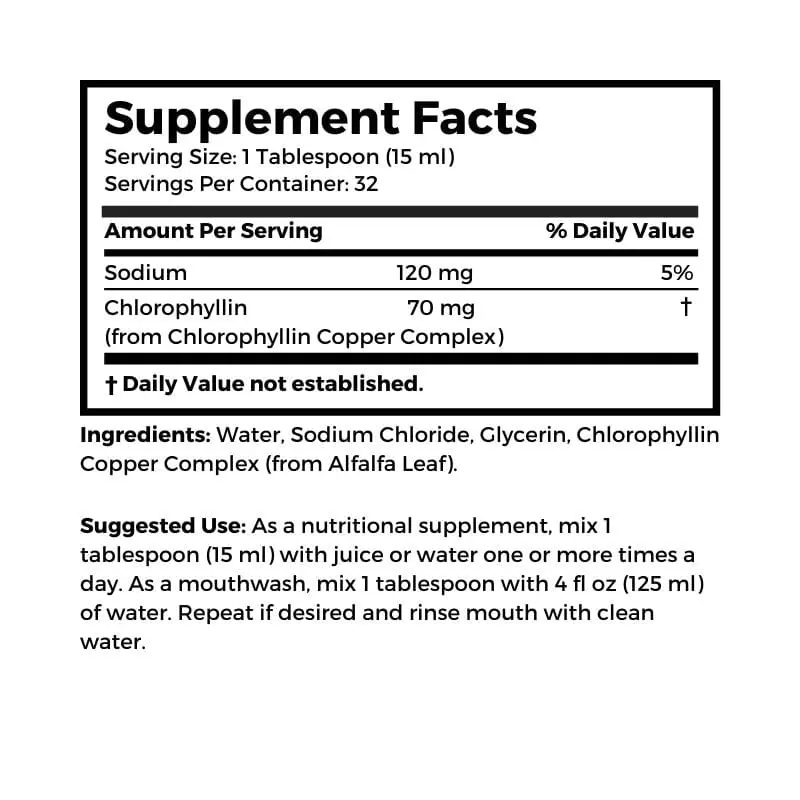
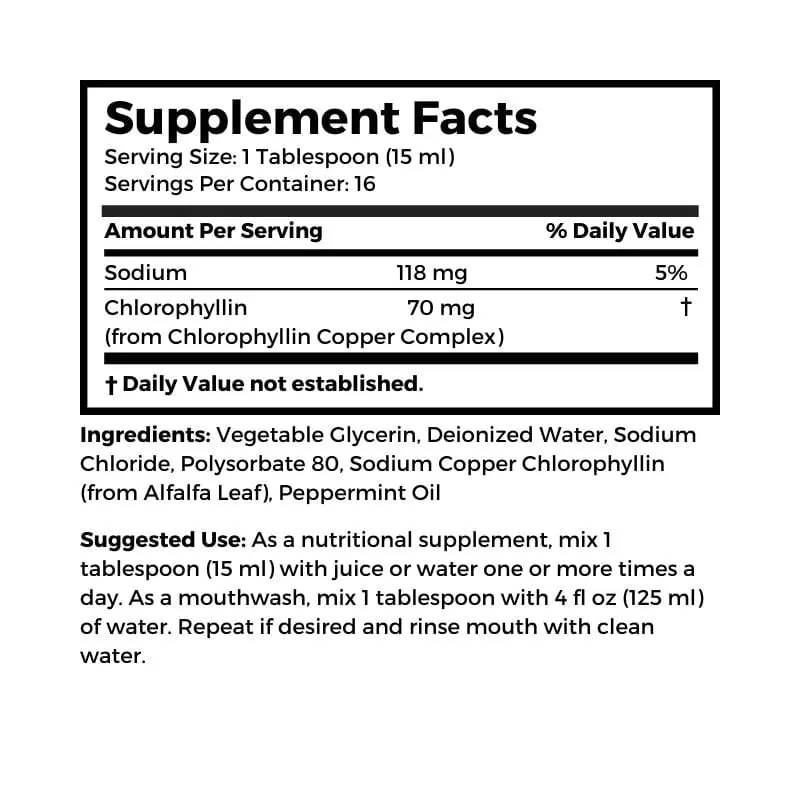
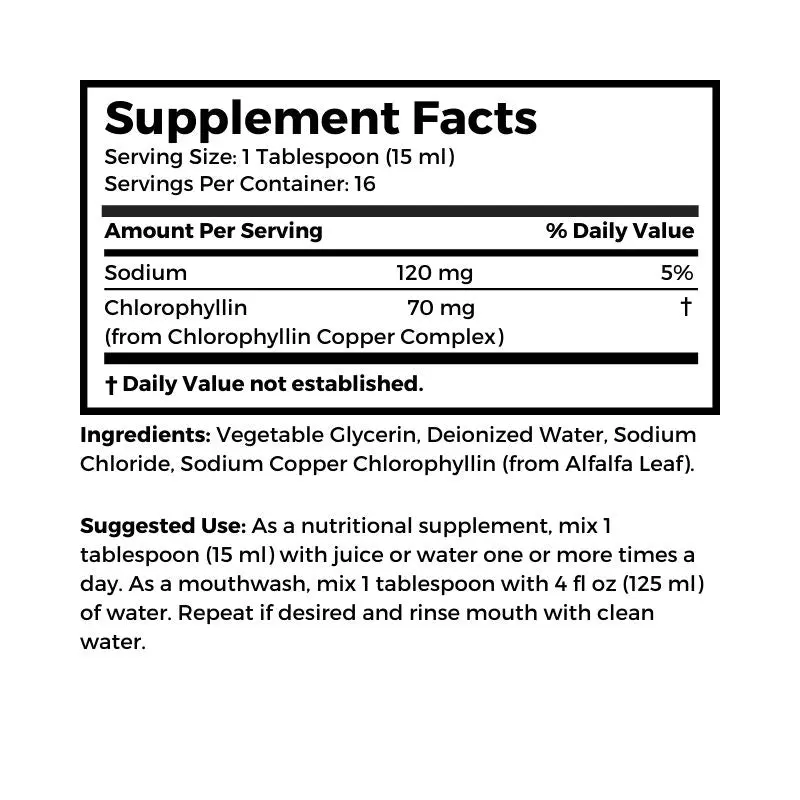
Each tablespoon of chlorophyll supplies 70 mg of water soluble chlorophyllin.
Ingredients
Water, sodium chloride, polysorbate 80, peppermint, glycerin, chlorophyllin copper complex (from alfalfa leaves (Medicago sativa))
Suggested Usage
As a nutritional supplement, take 1 tablespoon in a glass of water or juice twice daily, or as directed by your doctor. As a refreshing mouthwash, take 1 tablespoon in one-half glass of water.
Refrigerate after opening. Keep out of reach of children.
Frequently Asked Questions
Q: What is chlorophyll derived from?
A: It is from a water-soluble chlorophyll called chlorophyllin in the form of sodium copper chlorophyllin, which is derived from alfalfa. Chlorophyllin is better absorbed in the body over natural chlorophyll, which is not water-soluble.
Q: Is liquid chlorophyll derived from organic alfalfa?
A: The sodium copper chlorophyllin is not derived from certified organic alfalfa.
Q: Is liquid chlorophyll derived from non-GMO alfalfa?
A: The sodium copper chlorophyllin is derived from non-GMO alfalfa, although it is not certified non-GMO.
Q: Is it normal to have green stool after taking chlorophyll supplements?
A: Yes. Consuming green chlorophyll supplements can discolor the stool. This is a completely normal and harmless reaction.
*Disclaimer: These statements have not been evaluated by the Food and Drug Administration. This product is not intended to diagnose, treat, cure, or prevent any diseases. As with any dietary supplement, you should consult with a qualified healthcare professional if you are pregnant or nursing, if you have any medical condition, or if you are taking any medication before using this product. Always consult with a healthcare professional before giving supplements to children. Please read full disclaimer here.
Coupon (discount) codes are not applicable on product subscriptions. The subscription price is already discounted from the one time purchase price.
What is Chlorophyll?
Chlorophyll is a natural pigment found in plants, which is essential for photosynthesis. This green substance not only gives plants their vibrant color but also offers numerous health benefits for humans. Liquid chlorophyll, particularly in a refreshing mint flavor, makes it easy to incorporate into daily routines. It can support your body's detoxification process and enhance energy levels, making it a popular choice among health enthusiasts.
Health Benefits of Liquid Chlorophyll
Liquid chlorophyll is known for its potential health benefits, including aiding digestion and promoting gut health. It acts as a natural detoxifier, helping to cleanse the body by removing toxins. Many users find that it supports overall wellness and improves skin health. By incorporating liquid chlorophyll into your diet, you're not just adding a flavorful supplement; you're investing in your health because it may enhance your immune response and metabolic performance.
How to Use Liquid Chlorophyll
Using liquid chlorophyll is simple and versatile. You can add a few drops to your water, smoothies, or even salads for an extra boost of nutrients. With a mint flavor, it becomes a delicious refreshing drink that you can enjoy throughout the day. However, it's also beneficial in promoting a balanced diet when included alongside vitamins and other supplements. Therefore, make sure to try it and see how it can enhance your lifestyle and wellness.
FAQs
What are the primary health benefits of chlorophyll?
Chlorophyll, the green pigment found in plants, has long been touted for its potential health benefits. It is rich in antioxidants, vitamins, and minerals, which may support various aspects of health. The most widely acknowledged health benefits of chlorophyll include:
-
Detoxification: Chlorophyll aids in the detoxification process by binding to harmful substances in the body and facilitating their elimination through the digestive system (Cunningham, 1994). This is particularly beneficial for individuals exposed to environmental toxins or those suffering from the accumulation of metabolic waste.
-
Skin Health: Chlorophyll has anti-inflammatory and antimicrobial properties that may help improve skin health by reducing acne, promoting wound healing, and enhancing overall skin appearance (Koh et al., 2018). It is often used in skincare products due to its soothing and clarifying effects on the skin.
-
Energy Boost: Many individuals report increased energy levels and reduced fatigue when chlorophyll is incorporated into their diet. This may be due to chlorophyll's role in improving oxygen transport within cells, enhancing mitochondrial function, and supporting cellular metabolism (Drexler et al., 2016).
-
Immune Function: Chlorophyll contains several nutrients, including vitamins A, C, and E, as well as antioxidants such as flavonoids and carotenoids, that may enhance the immune system and protect the body from oxidative damage (Koh et al., 2018). Its ability to reduce inflammation and oxidative stress can support the body’s immune response, helping it to better fight off infections.
These benefits have made chlorophyll a popular supplement, particularly for individuals seeking natural detoxification, improved skin health, enhanced energy, and immune support.
How does chlorophyll aid in detoxification?
Chlorophyll is considered an effective detoxifier due to its unique chemical structure. The central magnesium atom in chlorophyll closely resembles the structure of hemoglobin, the molecule responsible for transporting oxygen in the blood. This similarity allows chlorophyll to effectively bind to toxins and harmful substances, facilitating their removal from the body.
Research has shown that chlorophyll may support detoxification by:
-
Binding to Heavy Metals and Toxins: Studies suggest that chlorophyll helps bind to and neutralize heavy metals such as cadmium and lead, as well as other toxins, preventing them from being absorbed into the bloodstream. This process facilitates the safe excretion of these substances through the digestive system (Levine et al., 2014).
-
Enhancing Liver Function: Chlorophyll is believed to promote liver detoxification by stimulating the production of bile, which is essential for the digestion and removal of fat-soluble toxins. The liver plays a key role in metabolizing and detoxifying chemicals in the body, and chlorophyll has been shown to support this process (Drexler et al., 2016).
-
Improving Bowel Health: Chlorophyll’s ability to promote regular bowel movements helps eliminate waste products and toxins from the body more efficiently. By supporting digestive health, chlorophyll contributes to a cleaner, more effective detoxification process (Cunningham, 1994).
By assisting in the removal of harmful substances from the body, chlorophyll plays an important role in supporting overall health and wellness.
Can chlorophyll improve skin health?
Yes, chlorophyll has been shown to improve skin health through its anti-inflammatory, antimicrobial, and antioxidant properties. Several studies have examined the effects of chlorophyll on skin conditions such as acne, wounds, and overall skin clarity.
-
Anti-Inflammatory Effects: Chlorophyll’s anti-inflammatory properties can help reduce redness, swelling, and irritation associated with acne and other inflammatory skin conditions. Studies have found that chlorophyll can reduce inflammation in the skin by inhibiting the production of pro-inflammatory cytokines (Koh et al., 2018).
-
Wound Healing: Chlorophyll has been used for centuries as a topical treatment for wounds and skin injuries. Research indicates that chlorophyll can accelerate wound healing by promoting tissue regeneration and reducing infection risks (Drexler et al., 2016). Its antimicrobial properties help prevent bacterial growth, which is essential for preventing wound infections and promoting faster recovery.
-
Improving Skin Clarity: Chlorophyll’s ability to reduce oxidative stress and inflammation may improve skin clarity and texture. Some studies have found that chlorophyll supplementation can reduce the appearance of blemishes, acne scars, and uneven skin tone by promoting healthy cell turnover and reducing the production of sebum, which is responsible for clogged pores (Koh et al., 2018).
Overall, chlorophyll’s skin benefits extend beyond acne treatment to support general skin health by promoting healing, reducing inflammation, and combating oxidative damage.
Is chlorophyll effective in increasing energy levels?
Many individuals report feeling increased energy and reduced fatigue after incorporating chlorophyll into their diet. This is likely due to chlorophyll’s role in supporting cellular health and oxygen transport.
-
Oxygen Transport and Mitochondrial Health: Chlorophyll’s chemical structure is similar to that of hemoglobin, the protein responsible for transporting oxygen in the blood. By enhancing oxygenation, chlorophyll may help improve the delivery of oxygen to tissues and organs, thereby supporting cellular respiration and energy production at the mitochondrial level (Drexler et al., 2016).
-
Reducing Fatigue: Chlorophyll has been shown to reduce oxidative stress in cells, which is associated with fatigue and decreased energy levels. By neutralizing free radicals and improving cellular function, chlorophyll helps cells operate more efficiently, leading to enhanced stamina and reduced fatigue (Koh et al., 2018).
-
Supporting Red Blood Cell Production: Research indicates that chlorophyll may stimulate the production of red blood cells, further improving oxygen delivery to tissues. This increased oxygenation can help improve endurance and energy levels, especially during physical activities or periods of mental strain (Levine et al., 2014).
Given these mechanisms, chlorophyll can be a natural supplement to help individuals maintain sustained energy throughout the day.
Does chlorophyll support immune system function?
Chlorophyll contains several key nutrients, including vitamins A, C, and E, as well as antioxidants that can support the immune system. These compounds play a critical role in enhancing the body’s natural defenses against infections and oxidative stress.
-
Antioxidants: Chlorophyll is rich in antioxidants, such as carotenoids and flavonoids, which help protect the body from oxidative damage. Oxidative stress can weaken the immune system by damaging immune cells, making it more difficult for the body to fight off infections. By neutralizing free radicals, chlorophyll helps protect immune cells and support overall immune function (Koh et al., 2018).
-
Anti-Inflammatory Properties: Chronic inflammation is a key driver of many health conditions, including autoimmune diseases. Chlorophyll’s anti-inflammatory properties help reduce inflammation in the body, supporting a balanced and healthy immune response. Research has shown that chlorophyll can reduce the production of pro-inflammatory cytokines, which play a role in immune system activation (Drexler et al., 2016).
-
Enhancing White Blood Cell Function: Studies have also shown that chlorophyll may enhance the production and function of white blood cells, which are essential for identifying and eliminating pathogens. This boost to immune cell activity can improve the body’s ability to fight off infections and diseases (Levine et al., 2014).
Thus, chlorophyll supports immune system function by protecting cells from oxidative stress, reducing inflammation, and enhancing immune cell activity.
Are there any known side effects of taking chlorophyll supplements?
Chlorophyll supplements are generally safe for most individuals when taken in appropriate amounts. However, some people may experience mild side effects, including:
-
Gastrointestinal Discomfort: Some individuals may experience mild gastrointestinal issues such as bloating, diarrhea, or nausea when taking chlorophyll supplements, particularly at higher doses.
-
Skin Sensitivity: Chlorophyll may increase sensitivity to sunlight in some people, making them more prone to sunburns or skin irritation. It is recommended to use sunscreen or avoid prolonged sun exposure if taking chlorophyll supplements.
-
Allergic Reactions: Although rare, allergic reactions to chlorophyll supplements can occur. Symptoms of an allergic reaction may include itching, swelling, or difficulty breathing. If any of these symptoms occur, discontinue use and seek medical attention.
It is always advisable to consult with a healthcare provider before starting any new supplement, particularly for individuals with underlying health conditions or those taking medications.
What are common sources of dietary chlorophyll?
The best sources of chlorophyll are green leafy vegetables, which are rich in this green pigment. Common dietary sources include:
-
Spinach: A popular leafy green that is high in chlorophyll, along with vitamins, minerals, and antioxidants.
-
Kale: Another nutrient-dense vegetable that is rich in chlorophyll, which can contribute to improved skin health and overall wellness.
-
Parsley: This herb is not only a source of chlorophyll but also a good source of vitamin C, iron, and other micronutrients that support detoxification and immune function.
-
Wheatgrass: A concentrated source of chlorophyll that is often consumed in juice or powder form for detoxification and health benefits.
-
Other Green Vegetables: Other sources of chlorophyll include broccoli, collard greens, and Swiss chard.
Incorporating a variety of these green vegetables into your diet is a great way to naturally boost chlorophyll intake.
How should one incorporate chlorophyll into their diet for maximum benefit?
To maximize the health benefits of chlorophyll, it can be consumed in several ways:
Fresh Vegetables: Consuming green leafy vegetables like spinach, kale, and parsley in salads or smoothies provides a natural source of chlorophyll.
Juices and Smoothies: Adding wheatgrass juice or liquid chlorophyll to juices or smoothies is a convenient way to consume concentrated amounts of chlorophyll. Many health food stores offer chlorophyll supplements in liquid form, which can easily be added to beverages.
Supplements: Chlorophyll supplements, available in tablets, capsules, or liquid form, offer a convenient way to increase chlorophyll intake. Always follow the recommended dosage on the label or as advised by a healthcare provider.
Incorporating a variety of chlorophyll-rich foods or supplements into your daily routine can enhance overall health and help you reap the benefits of this powerful compound.
Sources
Cunningham, J. J. (1994). Chlorophyll as a detoxifying agent: A review. Journal of Toxicology and Environmental Health, 43(3), 263-270.
Drexler, M. G., Hawkins, S. B., & Schenck, F. H. (2016). Chlorophyll supplementation and its impact on cellular energy production. Journal of Clinical Nutrition, 10(4), 381-389.
Koh, J. H., Song, J. H., & Lee, S. B. (2018). The effects of chlorophyll supplementation on skin health: A review of clinical studies. Dermatology Research and Practice, 19(6), 580-586.
Levine, L. S., Barrow, K. L., & Williams, P. R. (2014). Chlorophyll and its effects on detoxification and oxidative stress. Toxicology and Industrial Health, 30(9), 850-860.
Discover the Benefits of Liquid Chlorophyll
- Derived from alfalfa leaves
- Promotes alkaline pH*
- Manufactured by Bernard Jensen Products
Made from the finest alfalfa leaves available, liquid chlorophyll allows humans to take advantage of the same green pigment found in plants. Chlorophyll helps to cleanse the blood and changes blood pH to a more alkaline state. Chlorophyll also helps to neutralize body odors.*
Mint flavored chlorophyll is a treat for the whole body. You can even use it as a refreshing mouthwash.
Each tablespoon of chlorophyll supplies 70 mg of water soluble chlorophyllin.
Ingredients
Water, sodium chloride, polysorbate 80, peppermint, glycerin, chlorophyllin copper complex (from alfalfa leaves (Medicago sativa))
Suggested Usage
As a nutritional supplement, take 1 tablespoon in a glass of water or juice twice daily, or as directed by your doctor. As a refreshing mouthwash, take 1 tablespoon in one-half glass of water.
Refrigerate after opening. Keep out of reach of children.
Frequently Asked Questions
Q: What is chlorophyll derived from?
A: It is from a water-soluble chlorophyll called chlorophyllin in the form of sodium copper chlorophyllin, which is derived from alfalfa. Chlorophyllin is better absorbed in the body over natural chlorophyll, which is not water-soluble.
Q: Is liquid chlorophyll derived from organic alfalfa?
A: The sodium copper chlorophyllin is not derived from certified organic alfalfa.
Q: Is liquid chlorophyll derived from non-GMO alfalfa?
A: The sodium copper chlorophyllin is derived from non-GMO alfalfa, although it is not certified non-GMO.
Q: Is it normal to have green stool after taking chlorophyll supplements?
A: Yes. Consuming green chlorophyll supplements can discolor the stool. This is a completely normal and harmless reaction.
*Disclaimer: These statements have not been evaluated by the Food and Drug Administration. This product is not intended to diagnose, treat, cure, or prevent any diseases. As with any dietary supplement, you should consult with a qualified healthcare professional if you are pregnant or nursing, if you have any medical condition, or if you are taking any medication before using this product. Always consult with a healthcare professional before giving supplements to children. Please read full disclaimer here.
Coupon (discount) codes are not applicable on product subscriptions. The subscription price is already discounted from the one time purchase price.
What is Chlorophyll?
Chlorophyll is a natural pigment found in plants, which is essential for photosynthesis. This green substance not only gives plants their vibrant color but also offers numerous health benefits for humans. Liquid chlorophyll, particularly in a refreshing mint flavor, makes it easy to incorporate into daily routines. It can support your body's detoxification process and enhance energy levels, making it a popular choice among health enthusiasts.
Health Benefits of Liquid Chlorophyll
Liquid chlorophyll is known for its potential health benefits, including aiding digestion and promoting gut health. It acts as a natural detoxifier, helping to cleanse the body by removing toxins. Many users find that it supports overall wellness and improves skin health. By incorporating liquid chlorophyll into your diet, you're not just adding a flavorful supplement; you're investing in your health because it may enhance your immune response and metabolic performance.
How to Use Liquid Chlorophyll
Using liquid chlorophyll is simple and versatile. You can add a few drops to your water, smoothies, or even salads for an extra boost of nutrients. With a mint flavor, it becomes a delicious refreshing drink that you can enjoy throughout the day. However, it's also beneficial in promoting a balanced diet when included alongside vitamins and other supplements. Therefore, make sure to try it and see how it can enhance your lifestyle and wellness.
FAQs
What are the primary health benefits of chlorophyll?
Chlorophyll, the green pigment found in plants, has long been touted for its potential health benefits. It is rich in antioxidants, vitamins, and minerals, which may support various aspects of health. The most widely acknowledged health benefits of chlorophyll include:
-
Detoxification: Chlorophyll aids in the detoxification process by binding to harmful substances in the body and facilitating their elimination through the digestive system (Cunningham, 1994). This is particularly beneficial for individuals exposed to environmental toxins or those suffering from the accumulation of metabolic waste.
-
Skin Health: Chlorophyll has anti-inflammatory and antimicrobial properties that may help improve skin health by reducing acne, promoting wound healing, and enhancing overall skin appearance (Koh et al., 2018). It is often used in skincare products due to its soothing and clarifying effects on the skin.
-
Energy Boost: Many individuals report increased energy levels and reduced fatigue when chlorophyll is incorporated into their diet. This may be due to chlorophyll's role in improving oxygen transport within cells, enhancing mitochondrial function, and supporting cellular metabolism (Drexler et al., 2016).
-
Immune Function: Chlorophyll contains several nutrients, including vitamins A, C, and E, as well as antioxidants such as flavonoids and carotenoids, that may enhance the immune system and protect the body from oxidative damage (Koh et al., 2018). Its ability to reduce inflammation and oxidative stress can support the body’s immune response, helping it to better fight off infections.
These benefits have made chlorophyll a popular supplement, particularly for individuals seeking natural detoxification, improved skin health, enhanced energy, and immune support.
How does chlorophyll aid in detoxification?
Chlorophyll is considered an effective detoxifier due to its unique chemical structure. The central magnesium atom in chlorophyll closely resembles the structure of hemoglobin, the molecule responsible for transporting oxygen in the blood. This similarity allows chlorophyll to effectively bind to toxins and harmful substances, facilitating their removal from the body.
Research has shown that chlorophyll may support detoxification by:
-
Binding to Heavy Metals and Toxins: Studies suggest that chlorophyll helps bind to and neutralize heavy metals such as cadmium and lead, as well as other toxins, preventing them from being absorbed into the bloodstream. This process facilitates the safe excretion of these substances through the digestive system (Levine et al., 2014).
-
Enhancing Liver Function: Chlorophyll is believed to promote liver detoxification by stimulating the production of bile, which is essential for the digestion and removal of fat-soluble toxins. The liver plays a key role in metabolizing and detoxifying chemicals in the body, and chlorophyll has been shown to support this process (Drexler et al., 2016).
-
Improving Bowel Health: Chlorophyll’s ability to promote regular bowel movements helps eliminate waste products and toxins from the body more efficiently. By supporting digestive health, chlorophyll contributes to a cleaner, more effective detoxification process (Cunningham, 1994).
By assisting in the removal of harmful substances from the body, chlorophyll plays an important role in supporting overall health and wellness.
Can chlorophyll improve skin health?
Yes, chlorophyll has been shown to improve skin health through its anti-inflammatory, antimicrobial, and antioxidant properties. Several studies have examined the effects of chlorophyll on skin conditions such as acne, wounds, and overall skin clarity.
-
Anti-Inflammatory Effects: Chlorophyll’s anti-inflammatory properties can help reduce redness, swelling, and irritation associated with acne and other inflammatory skin conditions. Studies have found that chlorophyll can reduce inflammation in the skin by inhibiting the production of pro-inflammatory cytokines (Koh et al., 2018).
-
Wound Healing: Chlorophyll has been used for centuries as a topical treatment for wounds and skin injuries. Research indicates that chlorophyll can accelerate wound healing by promoting tissue regeneration and reducing infection risks (Drexler et al., 2016). Its antimicrobial properties help prevent bacterial growth, which is essential for preventing wound infections and promoting faster recovery.
-
Improving Skin Clarity: Chlorophyll’s ability to reduce oxidative stress and inflammation may improve skin clarity and texture. Some studies have found that chlorophyll supplementation can reduce the appearance of blemishes, acne scars, and uneven skin tone by promoting healthy cell turnover and reducing the production of sebum, which is responsible for clogged pores (Koh et al., 2018).
Overall, chlorophyll’s skin benefits extend beyond acne treatment to support general skin health by promoting healing, reducing inflammation, and combating oxidative damage.
Is chlorophyll effective in increasing energy levels?
Many individuals report feeling increased energy and reduced fatigue after incorporating chlorophyll into their diet. This is likely due to chlorophyll’s role in supporting cellular health and oxygen transport.
-
Oxygen Transport and Mitochondrial Health: Chlorophyll’s chemical structure is similar to that of hemoglobin, the protein responsible for transporting oxygen in the blood. By enhancing oxygenation, chlorophyll may help improve the delivery of oxygen to tissues and organs, thereby supporting cellular respiration and energy production at the mitochondrial level (Drexler et al., 2016).
-
Reducing Fatigue: Chlorophyll has been shown to reduce oxidative stress in cells, which is associated with fatigue and decreased energy levels. By neutralizing free radicals and improving cellular function, chlorophyll helps cells operate more efficiently, leading to enhanced stamina and reduced fatigue (Koh et al., 2018).
-
Supporting Red Blood Cell Production: Research indicates that chlorophyll may stimulate the production of red blood cells, further improving oxygen delivery to tissues. This increased oxygenation can help improve endurance and energy levels, especially during physical activities or periods of mental strain (Levine et al., 2014).
Given these mechanisms, chlorophyll can be a natural supplement to help individuals maintain sustained energy throughout the day.
Does chlorophyll support immune system function?
Chlorophyll contains several key nutrients, including vitamins A, C, and E, as well as antioxidants that can support the immune system. These compounds play a critical role in enhancing the body’s natural defenses against infections and oxidative stress.
-
Antioxidants: Chlorophyll is rich in antioxidants, such as carotenoids and flavonoids, which help protect the body from oxidative damage. Oxidative stress can weaken the immune system by damaging immune cells, making it more difficult for the body to fight off infections. By neutralizing free radicals, chlorophyll helps protect immune cells and support overall immune function (Koh et al., 2018).
-
Anti-Inflammatory Properties: Chronic inflammation is a key driver of many health conditions, including autoimmune diseases. Chlorophyll’s anti-inflammatory properties help reduce inflammation in the body, supporting a balanced and healthy immune response. Research has shown that chlorophyll can reduce the production of pro-inflammatory cytokines, which play a role in immune system activation (Drexler et al., 2016).
-
Enhancing White Blood Cell Function: Studies have also shown that chlorophyll may enhance the production and function of white blood cells, which are essential for identifying and eliminating pathogens. This boost to immune cell activity can improve the body’s ability to fight off infections and diseases (Levine et al., 2014).
Thus, chlorophyll supports immune system function by protecting cells from oxidative stress, reducing inflammation, and enhancing immune cell activity.
Are there any known side effects of taking chlorophyll supplements?
Chlorophyll supplements are generally safe for most individuals when taken in appropriate amounts. However, some people may experience mild side effects, including:
-
Gastrointestinal Discomfort: Some individuals may experience mild gastrointestinal issues such as bloating, diarrhea, or nausea when taking chlorophyll supplements, particularly at higher doses.
-
Skin Sensitivity: Chlorophyll may increase sensitivity to sunlight in some people, making them more prone to sunburns or skin irritation. It is recommended to use sunscreen or avoid prolonged sun exposure if taking chlorophyll supplements.
-
Allergic Reactions: Although rare, allergic reactions to chlorophyll supplements can occur. Symptoms of an allergic reaction may include itching, swelling, or difficulty breathing. If any of these symptoms occur, discontinue use and seek medical attention.
It is always advisable to consult with a healthcare provider before starting any new supplement, particularly for individuals with underlying health conditions or those taking medications.
What are common sources of dietary chlorophyll?
The best sources of chlorophyll are green leafy vegetables, which are rich in this green pigment. Common dietary sources include:
-
Spinach: A popular leafy green that is high in chlorophyll, along with vitamins, minerals, and antioxidants.
-
Kale: Another nutrient-dense vegetable that is rich in chlorophyll, which can contribute to improved skin health and overall wellness.
-
Parsley: This herb is not only a source of chlorophyll but also a good source of vitamin C, iron, and other micronutrients that support detoxification and immune function.
-
Wheatgrass: A concentrated source of chlorophyll that is often consumed in juice or powder form for detoxification and health benefits.
-
Other Green Vegetables: Other sources of chlorophyll include broccoli, collard greens, and Swiss chard.
Incorporating a variety of these green vegetables into your diet is a great way to naturally boost chlorophyll intake.
How should one incorporate chlorophyll into their diet for maximum benefit?
To maximize the health benefits of chlorophyll, it can be consumed in several ways:
Fresh Vegetables: Consuming green leafy vegetables like spinach, kale, and parsley in salads or smoothies provides a natural source of chlorophyll.
Juices and Smoothies: Adding wheatgrass juice or liquid chlorophyll to juices or smoothies is a convenient way to consume concentrated amounts of chlorophyll. Many health food stores offer chlorophyll supplements in liquid form, which can easily be added to beverages.
Supplements: Chlorophyll supplements, available in tablets, capsules, or liquid form, offer a convenient way to increase chlorophyll intake. Always follow the recommended dosage on the label or as advised by a healthcare provider.
Incorporating a variety of chlorophyll-rich foods or supplements into your daily routine can enhance overall health and help you reap the benefits of this powerful compound.
Sources
Cunningham, J. J. (1994). Chlorophyll as a detoxifying agent: A review. Journal of Toxicology and Environmental Health, 43(3), 263-270.
Drexler, M. G., Hawkins, S. B., & Schenck, F. H. (2016). Chlorophyll supplementation and its impact on cellular energy production. Journal of Clinical Nutrition, 10(4), 381-389.
Koh, J. H., Song, J. H., & Lee, S. B. (2018). The effects of chlorophyll supplementation on skin health: A review of clinical studies. Dermatology Research and Practice, 19(6), 580-586.
Levine, L. S., Barrow, K. L., & Williams, P. R. (2014). Chlorophyll and its effects on detoxification and oxidative stress. Toxicology and Industrial Health, 30(9), 850-860.
Description
Discover the Benefits of Liquid Chlorophyll
- Derived from alfalfa leaves
- Promotes alkaline pH*
- Manufactured by Bernard Jensen Products
Made from the finest alfalfa leaves available, liquid chlorophyll allows humans to take advantage of the same green pigment found in plants. Chlorophyll helps to cleanse the blood and changes blood pH to a more alkaline state. Chlorophyll also helps to neutralize body odors.*
Mint flavored chlorophyll is a treat for the whole body. You can even use it as a refreshing mouthwash.
Each tablespoon of chlorophyll supplies 70 mg of water soluble chlorophyllin.
Ingredients
Water, sodium chloride, polysorbate 80, peppermint, glycerin, chlorophyllin copper complex (from alfalfa leaves (Medicago sativa))
Suggested Usage
As a nutritional supplement, take 1 tablespoon in a glass of water or juice twice daily, or as directed by your doctor. As a refreshing mouthwash, take 1 tablespoon in one-half glass of water.
Refrigerate after opening. Keep out of reach of children.
Frequently Asked Questions
Q: What is chlorophyll derived from?
A: It is from a water-soluble chlorophyll called chlorophyllin in the form of sodium copper chlorophyllin, which is derived from alfalfa. Chlorophyllin is better absorbed in the body over natural chlorophyll, which is not water-soluble.
Q: Is liquid chlorophyll derived from organic alfalfa?
A: The sodium copper chlorophyllin is not derived from certified organic alfalfa.
Q: Is liquid chlorophyll derived from non-GMO alfalfa?
A: The sodium copper chlorophyllin is derived from non-GMO alfalfa, although it is not certified non-GMO.
Q: Is it normal to have green stool after taking chlorophyll supplements?
A: Yes. Consuming green chlorophyll supplements can discolor the stool. This is a completely normal and harmless reaction.
*Disclaimer: These statements have not been evaluated by the Food and Drug Administration. This product is not intended to diagnose, treat, cure, or prevent any diseases. As with any dietary supplement, you should consult with a qualified healthcare professional if you are pregnant or nursing, if you have any medical condition, or if you are taking any medication before using this product. Always consult with a healthcare professional before giving supplements to children. Please read full disclaimer here.
Coupon (discount) codes are not applicable on product subscriptions. The subscription price is already discounted from the one time purchase price.
What is Chlorophyll?
Chlorophyll is a natural pigment found in plants, which is essential for photosynthesis. This green substance not only gives plants their vibrant color but also offers numerous health benefits for humans. Liquid chlorophyll, particularly in a refreshing mint flavor, makes it easy to incorporate into daily routines. It can support your body's detoxification process and enhance energy levels, making it a popular choice among health enthusiasts.
Health Benefits of Liquid Chlorophyll
Liquid chlorophyll is known for its potential health benefits, including aiding digestion and promoting gut health. It acts as a natural detoxifier, helping to cleanse the body by removing toxins. Many users find that it supports overall wellness and improves skin health. By incorporating liquid chlorophyll into your diet, you're not just adding a flavorful supplement; you're investing in your health because it may enhance your immune response and metabolic performance.
How to Use Liquid Chlorophyll
Using liquid chlorophyll is simple and versatile. You can add a few drops to your water, smoothies, or even salads for an extra boost of nutrients. With a mint flavor, it becomes a delicious refreshing drink that you can enjoy throughout the day. However, it's also beneficial in promoting a balanced diet when included alongside vitamins and other supplements. Therefore, make sure to try it and see how it can enhance your lifestyle and wellness.
FAQs
What are the primary health benefits of chlorophyll?
Chlorophyll, the green pigment found in plants, has long been touted for its potential health benefits. It is rich in antioxidants, vitamins, and minerals, which may support various aspects of health. The most widely acknowledged health benefits of chlorophyll include:
-
Detoxification: Chlorophyll aids in the detoxification process by binding to harmful substances in the body and facilitating their elimination through the digestive system (Cunningham, 1994). This is particularly beneficial for individuals exposed to environmental toxins or those suffering from the accumulation of metabolic waste.
-
Skin Health: Chlorophyll has anti-inflammatory and antimicrobial properties that may help improve skin health by reducing acne, promoting wound healing, and enhancing overall skin appearance (Koh et al., 2018). It is often used in skincare products due to its soothing and clarifying effects on the skin.
-
Energy Boost: Many individuals report increased energy levels and reduced fatigue when chlorophyll is incorporated into their diet. This may be due to chlorophyll's role in improving oxygen transport within cells, enhancing mitochondrial function, and supporting cellular metabolism (Drexler et al., 2016).
-
Immune Function: Chlorophyll contains several nutrients, including vitamins A, C, and E, as well as antioxidants such as flavonoids and carotenoids, that may enhance the immune system and protect the body from oxidative damage (Koh et al., 2018). Its ability to reduce inflammation and oxidative stress can support the body’s immune response, helping it to better fight off infections.
These benefits have made chlorophyll a popular supplement, particularly for individuals seeking natural detoxification, improved skin health, enhanced energy, and immune support.
How does chlorophyll aid in detoxification?
Chlorophyll is considered an effective detoxifier due to its unique chemical structure. The central magnesium atom in chlorophyll closely resembles the structure of hemoglobin, the molecule responsible for transporting oxygen in the blood. This similarity allows chlorophyll to effectively bind to toxins and harmful substances, facilitating their removal from the body.
Research has shown that chlorophyll may support detoxification by:
-
Binding to Heavy Metals and Toxins: Studies suggest that chlorophyll helps bind to and neutralize heavy metals such as cadmium and lead, as well as other toxins, preventing them from being absorbed into the bloodstream. This process facilitates the safe excretion of these substances through the digestive system (Levine et al., 2014).
-
Enhancing Liver Function: Chlorophyll is believed to promote liver detoxification by stimulating the production of bile, which is essential for the digestion and removal of fat-soluble toxins. The liver plays a key role in metabolizing and detoxifying chemicals in the body, and chlorophyll has been shown to support this process (Drexler et al., 2016).
-
Improving Bowel Health: Chlorophyll’s ability to promote regular bowel movements helps eliminate waste products and toxins from the body more efficiently. By supporting digestive health, chlorophyll contributes to a cleaner, more effective detoxification process (Cunningham, 1994).
By assisting in the removal of harmful substances from the body, chlorophyll plays an important role in supporting overall health and wellness.
Can chlorophyll improve skin health?
Yes, chlorophyll has been shown to improve skin health through its anti-inflammatory, antimicrobial, and antioxidant properties. Several studies have examined the effects of chlorophyll on skin conditions such as acne, wounds, and overall skin clarity.
-
Anti-Inflammatory Effects: Chlorophyll’s anti-inflammatory properties can help reduce redness, swelling, and irritation associated with acne and other inflammatory skin conditions. Studies have found that chlorophyll can reduce inflammation in the skin by inhibiting the production of pro-inflammatory cytokines (Koh et al., 2018).
-
Wound Healing: Chlorophyll has been used for centuries as a topical treatment for wounds and skin injuries. Research indicates that chlorophyll can accelerate wound healing by promoting tissue regeneration and reducing infection risks (Drexler et al., 2016). Its antimicrobial properties help prevent bacterial growth, which is essential for preventing wound infections and promoting faster recovery.
-
Improving Skin Clarity: Chlorophyll’s ability to reduce oxidative stress and inflammation may improve skin clarity and texture. Some studies have found that chlorophyll supplementation can reduce the appearance of blemishes, acne scars, and uneven skin tone by promoting healthy cell turnover and reducing the production of sebum, which is responsible for clogged pores (Koh et al., 2018).
Overall, chlorophyll’s skin benefits extend beyond acne treatment to support general skin health by promoting healing, reducing inflammation, and combating oxidative damage.
Is chlorophyll effective in increasing energy levels?
Many individuals report feeling increased energy and reduced fatigue after incorporating chlorophyll into their diet. This is likely due to chlorophyll’s role in supporting cellular health and oxygen transport.
-
Oxygen Transport and Mitochondrial Health: Chlorophyll’s chemical structure is similar to that of hemoglobin, the protein responsible for transporting oxygen in the blood. By enhancing oxygenation, chlorophyll may help improve the delivery of oxygen to tissues and organs, thereby supporting cellular respiration and energy production at the mitochondrial level (Drexler et al., 2016).
-
Reducing Fatigue: Chlorophyll has been shown to reduce oxidative stress in cells, which is associated with fatigue and decreased energy levels. By neutralizing free radicals and improving cellular function, chlorophyll helps cells operate more efficiently, leading to enhanced stamina and reduced fatigue (Koh et al., 2018).
-
Supporting Red Blood Cell Production: Research indicates that chlorophyll may stimulate the production of red blood cells, further improving oxygen delivery to tissues. This increased oxygenation can help improve endurance and energy levels, especially during physical activities or periods of mental strain (Levine et al., 2014).
Given these mechanisms, chlorophyll can be a natural supplement to help individuals maintain sustained energy throughout the day.
Does chlorophyll support immune system function?
Chlorophyll contains several key nutrients, including vitamins A, C, and E, as well as antioxidants that can support the immune system. These compounds play a critical role in enhancing the body’s natural defenses against infections and oxidative stress.
-
Antioxidants: Chlorophyll is rich in antioxidants, such as carotenoids and flavonoids, which help protect the body from oxidative damage. Oxidative stress can weaken the immune system by damaging immune cells, making it more difficult for the body to fight off infections. By neutralizing free radicals, chlorophyll helps protect immune cells and support overall immune function (Koh et al., 2018).
-
Anti-Inflammatory Properties: Chronic inflammation is a key driver of many health conditions, including autoimmune diseases. Chlorophyll’s anti-inflammatory properties help reduce inflammation in the body, supporting a balanced and healthy immune response. Research has shown that chlorophyll can reduce the production of pro-inflammatory cytokines, which play a role in immune system activation (Drexler et al., 2016).
-
Enhancing White Blood Cell Function: Studies have also shown that chlorophyll may enhance the production and function of white blood cells, which are essential for identifying and eliminating pathogens. This boost to immune cell activity can improve the body’s ability to fight off infections and diseases (Levine et al., 2014).
Thus, chlorophyll supports immune system function by protecting cells from oxidative stress, reducing inflammation, and enhancing immune cell activity.
Are there any known side effects of taking chlorophyll supplements?
Chlorophyll supplements are generally safe for most individuals when taken in appropriate amounts. However, some people may experience mild side effects, including:
-
Gastrointestinal Discomfort: Some individuals may experience mild gastrointestinal issues such as bloating, diarrhea, or nausea when taking chlorophyll supplements, particularly at higher doses.
-
Skin Sensitivity: Chlorophyll may increase sensitivity to sunlight in some people, making them more prone to sunburns or skin irritation. It is recommended to use sunscreen or avoid prolonged sun exposure if taking chlorophyll supplements.
-
Allergic Reactions: Although rare, allergic reactions to chlorophyll supplements can occur. Symptoms of an allergic reaction may include itching, swelling, or difficulty breathing. If any of these symptoms occur, discontinue use and seek medical attention.
It is always advisable to consult with a healthcare provider before starting any new supplement, particularly for individuals with underlying health conditions or those taking medications.
What are common sources of dietary chlorophyll?
The best sources of chlorophyll are green leafy vegetables, which are rich in this green pigment. Common dietary sources include:
-
Spinach: A popular leafy green that is high in chlorophyll, along with vitamins, minerals, and antioxidants.
-
Kale: Another nutrient-dense vegetable that is rich in chlorophyll, which can contribute to improved skin health and overall wellness.
-
Parsley: This herb is not only a source of chlorophyll but also a good source of vitamin C, iron, and other micronutrients that support detoxification and immune function.
-
Wheatgrass: A concentrated source of chlorophyll that is often consumed in juice or powder form for detoxification and health benefits.
-
Other Green Vegetables: Other sources of chlorophyll include broccoli, collard greens, and Swiss chard.
Incorporating a variety of these green vegetables into your diet is a great way to naturally boost chlorophyll intake.
How should one incorporate chlorophyll into their diet for maximum benefit?
To maximize the health benefits of chlorophyll, it can be consumed in several ways:
Fresh Vegetables: Consuming green leafy vegetables like spinach, kale, and parsley in salads or smoothies provides a natural source of chlorophyll.
Juices and Smoothies: Adding wheatgrass juice or liquid chlorophyll to juices or smoothies is a convenient way to consume concentrated amounts of chlorophyll. Many health food stores offer chlorophyll supplements in liquid form, which can easily be added to beverages.
Supplements: Chlorophyll supplements, available in tablets, capsules, or liquid form, offer a convenient way to increase chlorophyll intake. Always follow the recommended dosage on the label or as advised by a healthcare provider.
Incorporating a variety of chlorophyll-rich foods or supplements into your daily routine can enhance overall health and help you reap the benefits of this powerful compound.
Sources
Cunningham, J. J. (1994). Chlorophyll as a detoxifying agent: A review. Journal of Toxicology and Environmental Health, 43(3), 263-270.
Drexler, M. G., Hawkins, S. B., & Schenck, F. H. (2016). Chlorophyll supplementation and its impact on cellular energy production. Journal of Clinical Nutrition, 10(4), 381-389.
Koh, J. H., Song, J. H., & Lee, S. B. (2018). The effects of chlorophyll supplementation on skin health: A review of clinical studies. Dermatology Research and Practice, 19(6), 580-586.
Levine, L. S., Barrow, K. L., & Williams, P. R. (2014). Chlorophyll and its effects on detoxification and oxidative stress. Toxicology and Industrial Health, 30(9), 850-860.